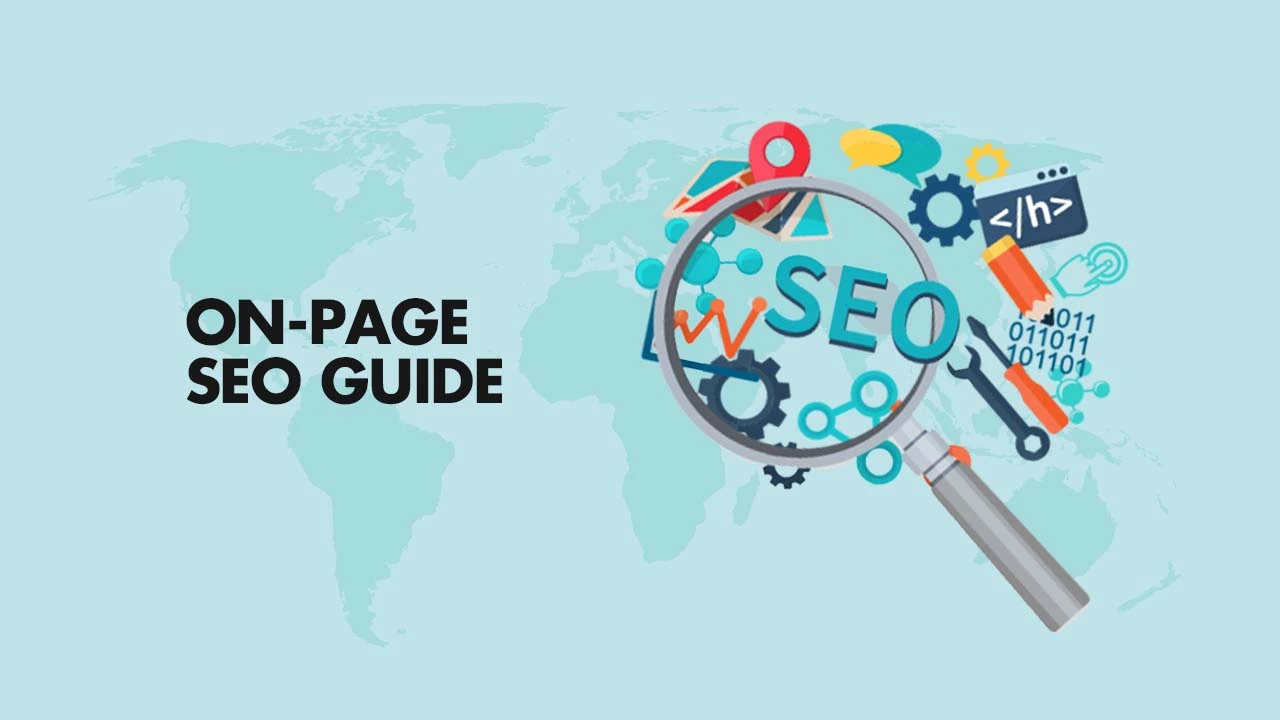

On-page SEO is the foundation of every website that wants to achieve consistent and sustainable rankings in search engines. Without proper on-page SEO, even well-researched, high-quality content can struggle to appear on the first page of search results. Search engines depend on on-page SEO signals to understand what a page is about, how relevant it is, and whether it deserves visibility.
When on-page SEO is done correctly, it helps search engines crawl, index, and interpret content efficiently while also making the page more useful and readable for users. A strong on-page SEO strategy connects technical optimization with human-focused content, which is essential for long-term organic growth.
Understanding On-Page SEO
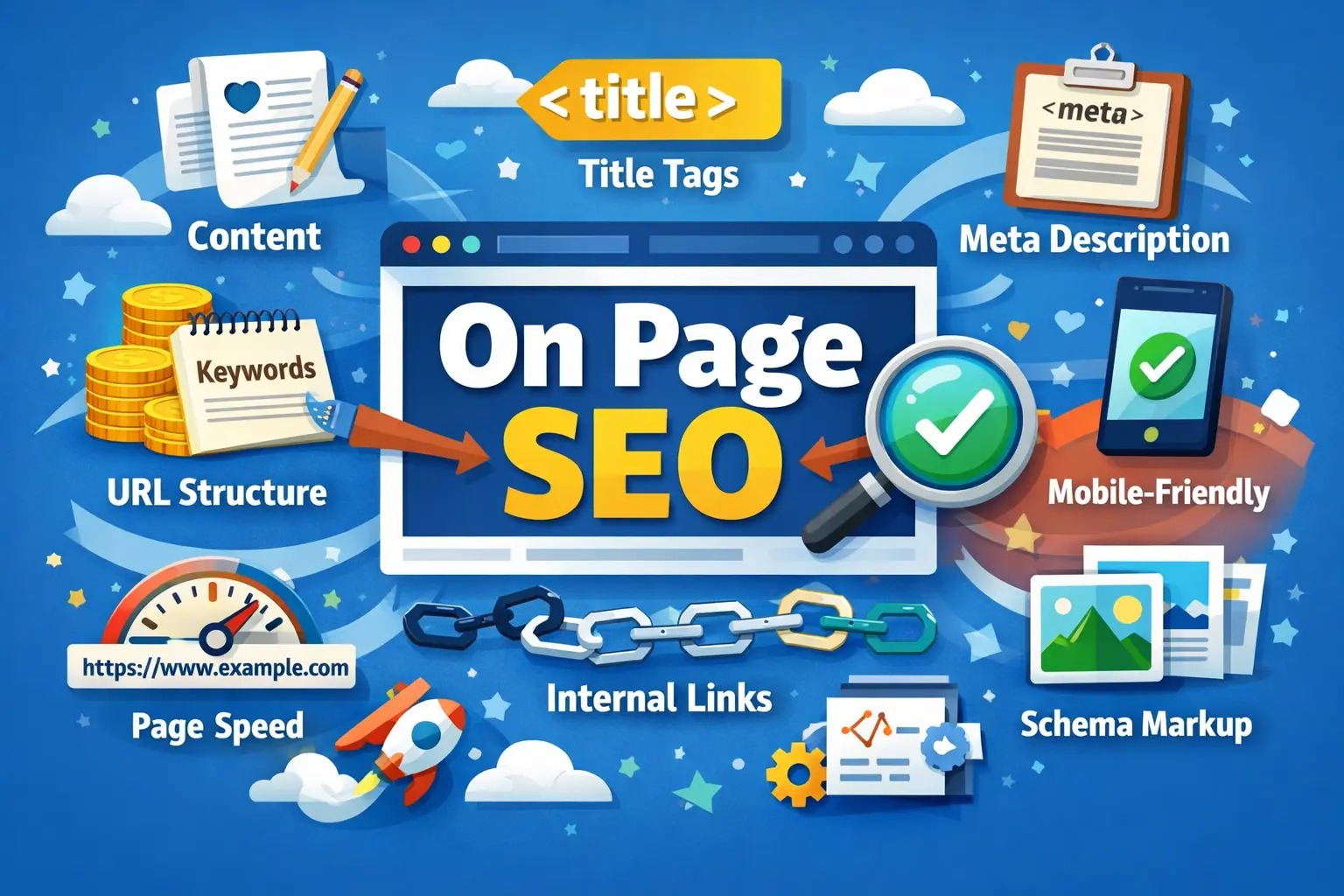
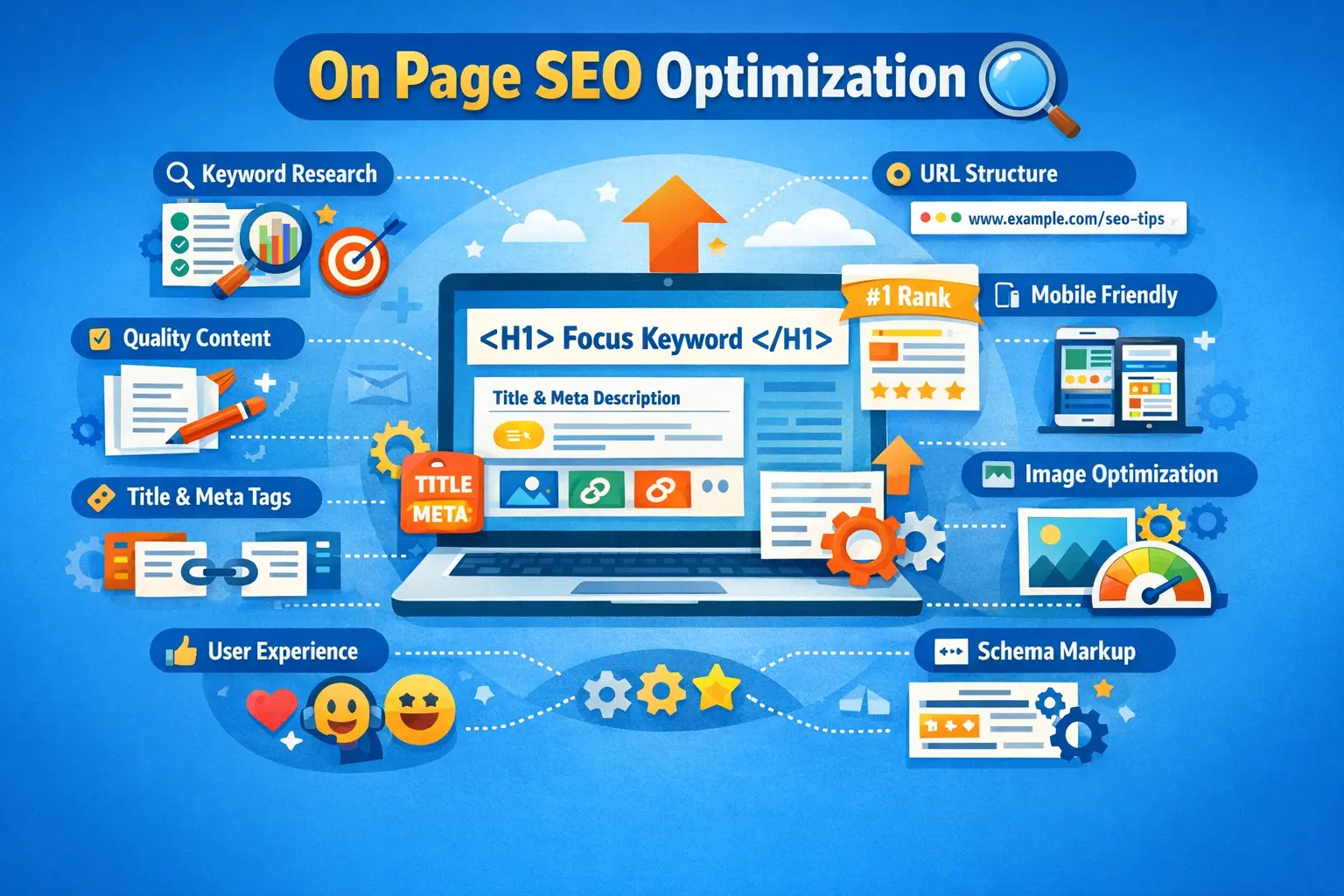
On-page SEO refers to the practice of optimizing all elements within a web page so that both search engines and users can easily understand the content. It is not limited to keywords alone. On-page SEO encompasses content quality, heading structure, internal linking, URL structure, image optimization, page speed, mobile usability, and structured data.
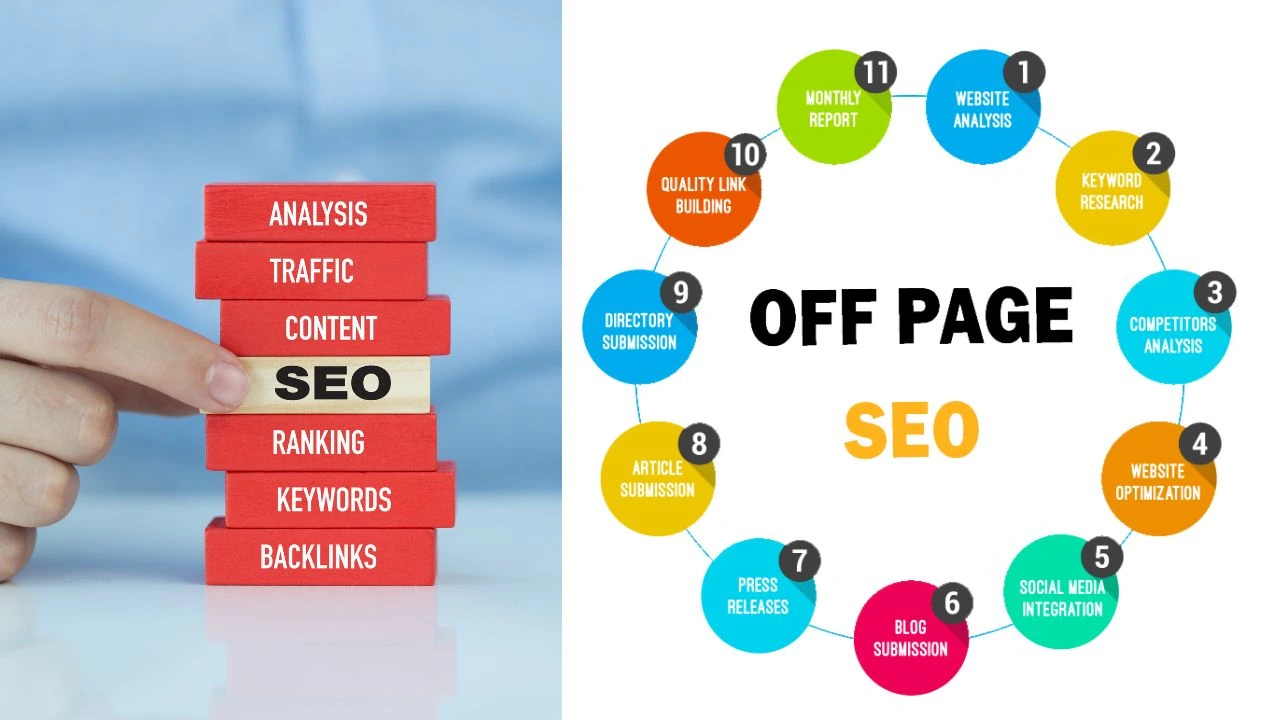
Unlike off-page SEO, which focuses on external signals like backlinks, on-page SEO is fully within your control. This makes it one of the most significant areas for improving website performance.
Key Benefits of On-Page SEO:
• Helps search engines accurately interpret page content
• Improves readability and user experience
• Ensures better crawlability and indexing
• Reduces bounce rate and increases engagement
Why On-Page SEO Matters for Rankings
Search engines aim to deliver the most relevant and helpful results to users. On-page SEO helps search engines measure relevance, content quality, and user satisfaction. Pages with clear structure, optimized content, and strong on-page SEO signals are more likely to rank higher.
When on-page SEO aligns with user intent, visitors stay longer, interact more, and trust the website. These engagement signals further support ranking performance.
Advantages of Strong On-Page SEO:
• Higher organic visibility and stable rankings
• Better engagement metrics, such as dwell time
• Strong foundation for off-page SEO strategies
• Increased credibility and topical authority
Effective Keyword Research for On-Page SEO
Keyword research is the backbone of on-page SEO. Without proper keyword planning, content often fails to connect with real search intent. The goal of keyword research in on-page SEO is not repetition, but clarity and context.
The focus keyword on-page SEO should appear naturally in headings, paragraphs, title tag optimization, meta description optimization, and URL structure SEO. Supporting keywords such as content optimization, internal linking, headings SEO, image optimization, page speed optimization, mobile optimization, schema markup, user experience SEO, and proven SEO techniques help search engines understand the full scope of the topic.
Relevant Keywords:
• on-page SEO
• title tag optimization
• meta description optimization
• content optimization
• internal linking
• URL structure SEO
• headings SEO
• image optimization
• page speed optimization
• schema markup
• user experience SEO
• SEO techniques
Using these keywords naturally strengthens on-page SEO without harming readability. Instead of forcing keywords, effective on-page SEO relies on natural language, clear intent, and structured content.
Content Optimization for Maximum Impact
Content optimization is where on-page SEO directly connects with users. Search engines favor content that is clear, helpful, and easy to understand. Long blocks of text, confusing language, or forced keywords reduce effectiveness.
Well-optimized content focuses on solving user problems while maintaining a logical flow.
Best Practices for Content Optimization:
• Place the focus keyword naturally in headings and paragraphs
• Use supporting keywords only where they fit naturally
• Keep paragraphs short and scannable
• Write for humans first, search engines second
• Update content regularly to stay relevant
When content optimization supports on-page SEO, pages become easier to rank and more enjoyable to read.
Title Tags and Meta Descriptions
Title tags and meta descriptions are essential on-page SEO elements because they directly affect click-through rates. Even if a page ranks well, a weak title or description can reduce traffic.
A good title tag clearly communicates the page topic while including the focus keyword naturally. Meta descriptions should summarize the content in a way that encourages clicks.
Guidelines:
• Include “on page SEO” naturally in titles
• Keep titles under 60 characters
• Write clear, descriptive meta descriptions
• Avoid duplicate titles and descriptions
URL Structure and Internal Linking
Clean URL structure improves usability and helps search engines understand page topics. URLs should be short, descriptive, and easy to read.
Internal linking strengthens site structure and distributes authority across pages, which is a key part of on-page SEO.
Best Practices:
• Use short, descriptive URLs
• Include the focus keyword when relevant
• Avoid unnecessary parameters or numbers
• Link related pages using contextual anchor text
Example:
example.com/on-page-seo-guide
Heading Structure and Content Flow
Headings play a critical role in on-page SEO. They help users scan content and help search engines understand content hierarchy.
A clear heading structure improves both readability and indexing.
On-Page SEO Heading Tips:
• Use one H1 for the main topic
• Use H2 for main sections and H3 for subtopics
• Include keywords naturally in headings
• Maintain a logical and consistent flow
Image Optimization and Page Speed
Images improve engagement but can slow down a page if not optimized. Page speed is a confirmed ranking factor, making it an essential part of on-page SEO.
Optimized images improve both performance and accessibility.
Image Optimization Steps:
• Compress images without losing quality
• Use descriptive file names
• Add relevant alt text
• Reduce unnecessary scripts and plugins
Mobile Optimization and User Experience
With mobile-first indexing, Google evaluates the mobile version of a site first. Poor mobile usability can significantly harm on-page SEO.
Mobile optimization ensures content is accessible, readable, and fast on all devices.
Best Practices:
• Use responsive design
• Keep content consistent across devices
• Optimize touch navigation
• Improve mobile loading speed
Schema Markup and Structured Data
Schema markup helps search engines understand content context. It enhances SERP appearance and increases click-through rates.
Structured data supports better indexing and content clarity.
Benefits:
• Improve search visibility
• Eligibility for rich snippets
• Clearer content interpretation
Common On-Page SEO Mistakes
Even small mistakes can weaken on-page SEO performance and limit rankings.
Avoid These Issues:
• Keyword stuffing or unnatural placement
• Thin or low-value content
• Missing or duplicate meta descriptions
• Broken internal links
• Slow page speed or poor mobile usability
Conclusion
On-page SEO is the backbone of long-term search engine success. From keyword research and content optimization to headings, URLs, page speed, and user experience, every element plays a role in how a page performs. When on-page SEO is handled with a natural, user-first approach, it improves rankings, builds trust, and drives sustainable organic traffic.
Consistent optimization, regular updates, and attention to detail ensure that on-page SEO continues to deliver value over time.