
Local SEO highlights the importance of visibility online, especially since, in the world of internet customer service, your competitor is only one mouse click away. This quote perfectly reflects today’s digital reality. In an era where customers can switch brands instantly, having a strong online presence is no longer optional; it is essential. For businesses of all sizes, particularly small and local companies. Local SEO plays a crucial role in staying visible, relevant, and competitive. Moreover, Local SEO helps businesses connect with nearby customers who are actively searching for products or services. Businesses that invest in Local SEO often see increased foot traffic, higher engagement, and stronger online visibility. According to the U.S. Small Business Administration, companies focusing on Local SEO experience noticeable growth in both online interactions and in-store visits. Additionally, Google reports that 76% of users who search for nearby businesses visit one on the same day. Therefore, effective Local SEO strategies are no longer optional; they are essential.
Key Takeaways
- Local SEO improves visibility for businesses in specific geographic areas.
- Optimizing your online presence attracts high-intent local customers.
- Most local searches lead to same-day visits or actions.
- Strong Local SEO strategies increase both foot traffic and online engagement.
- Understanding Local SEO is essential for competing in today’s digital market.
Understanding Local SEO
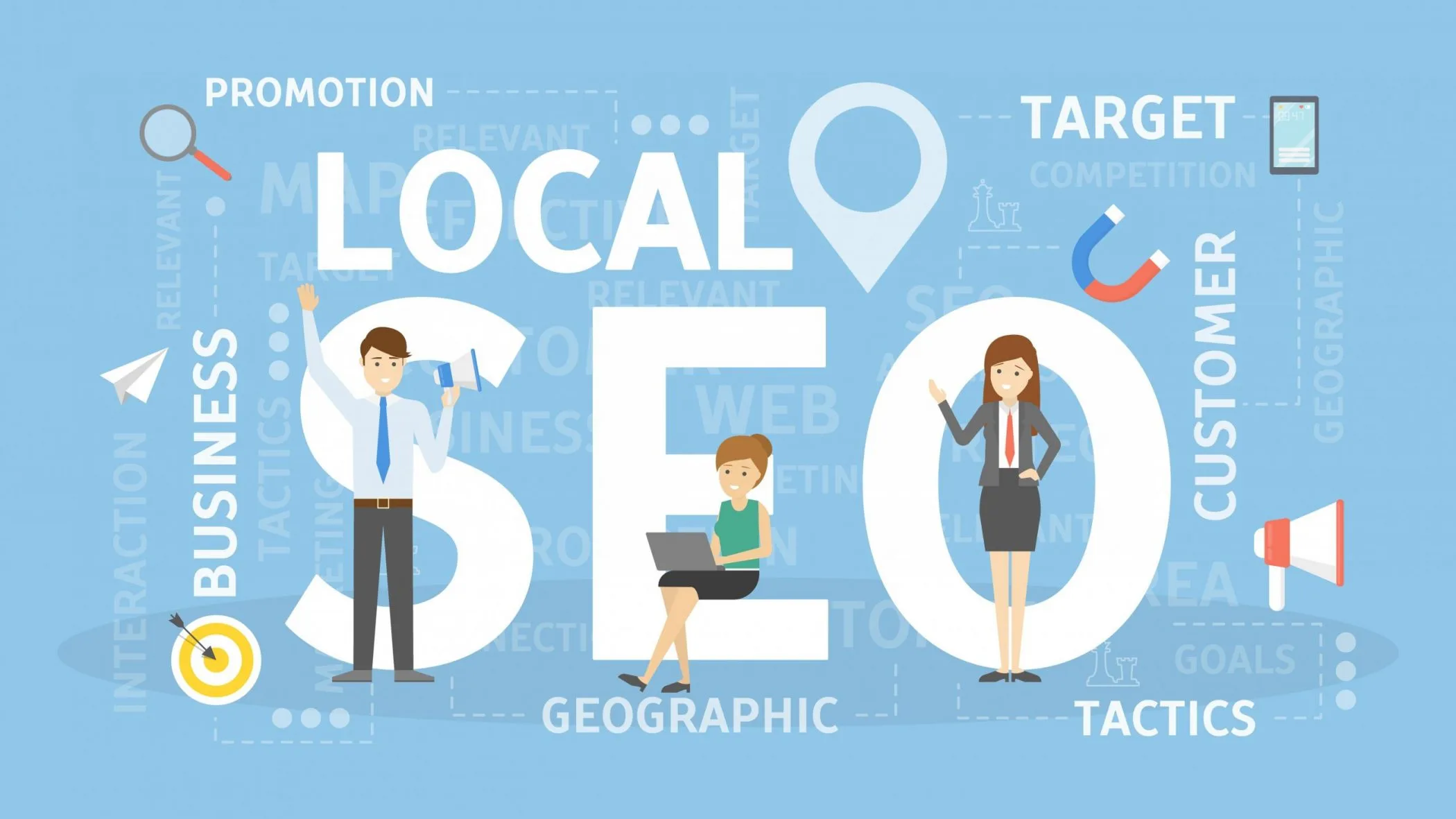
Unlike traditional SEO, which focuses on global rankings, Local SEO is designed to improve online visibility within specific geographic locations. In simple terms, Local SEO helps your business appear when users search for nearby products or services.
Local SEO works by sending clear location-based signals to search engines, such as:
- Where your business operates
- How relevant your services are to local users
- How trustworthy your brand appears online
Because Google uses location data to deliver the most relevant results, Local SEO has become a core ranking factor for local businesses. Consequently, companies that prioritize Local SEO gain a clear advantage over competitors who ignore it.
Core Components of Local SEO
To build a strong Local SEO foundation, businesses must focus on several key components:
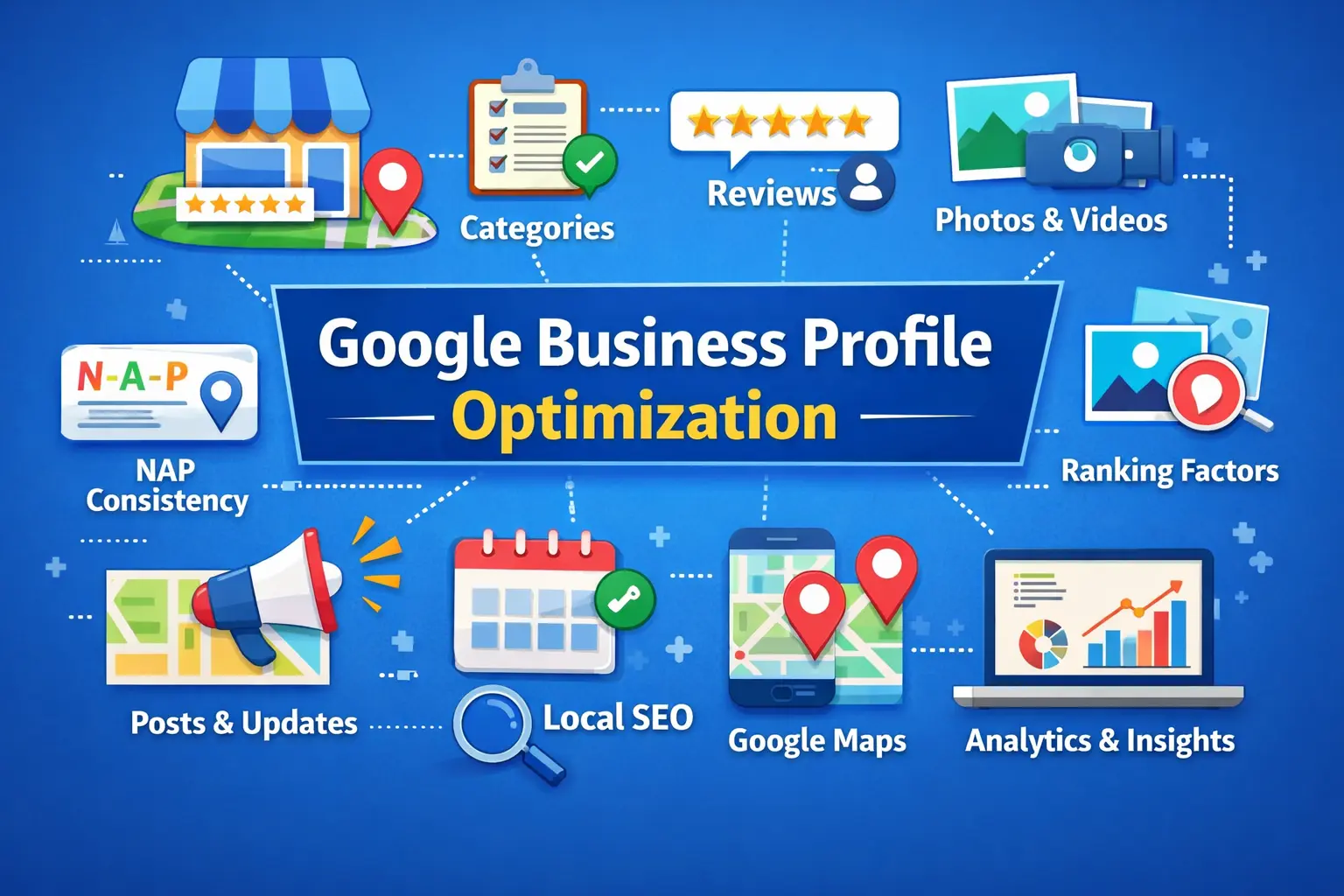
- Google My Business (GMB): Controls how your business appears on Google Search and Maps. Fully optimized GMB profiles can increase customer engagement by up to 70%.
- Online citations: Confirm consistent Name, Address, and Phone (NAP) information across all platforms. Accurate citations improve search engine trust and rankings.
- Online reviews: Positive reviews build trust and influence purchasing decisions. Managing reviews actively strengthens Local SEO performance.
By optimizing these components, businesses can signal relevance and authority to search engines. As a result, Local SEO performance improves steadily over time.
Local SEO Strategies for Small Businesses
Small businesses can achieve impressive results by applying Local SEO strategies systematically.
- Optimize your Google My Business listing to improve visibility.
- Include local keywords in website content naturally, such as city names, neighborhoods, or regional terms.
- Maintain consistent NAP information across all directories.
- Encourage and manage customer reviews regularly.
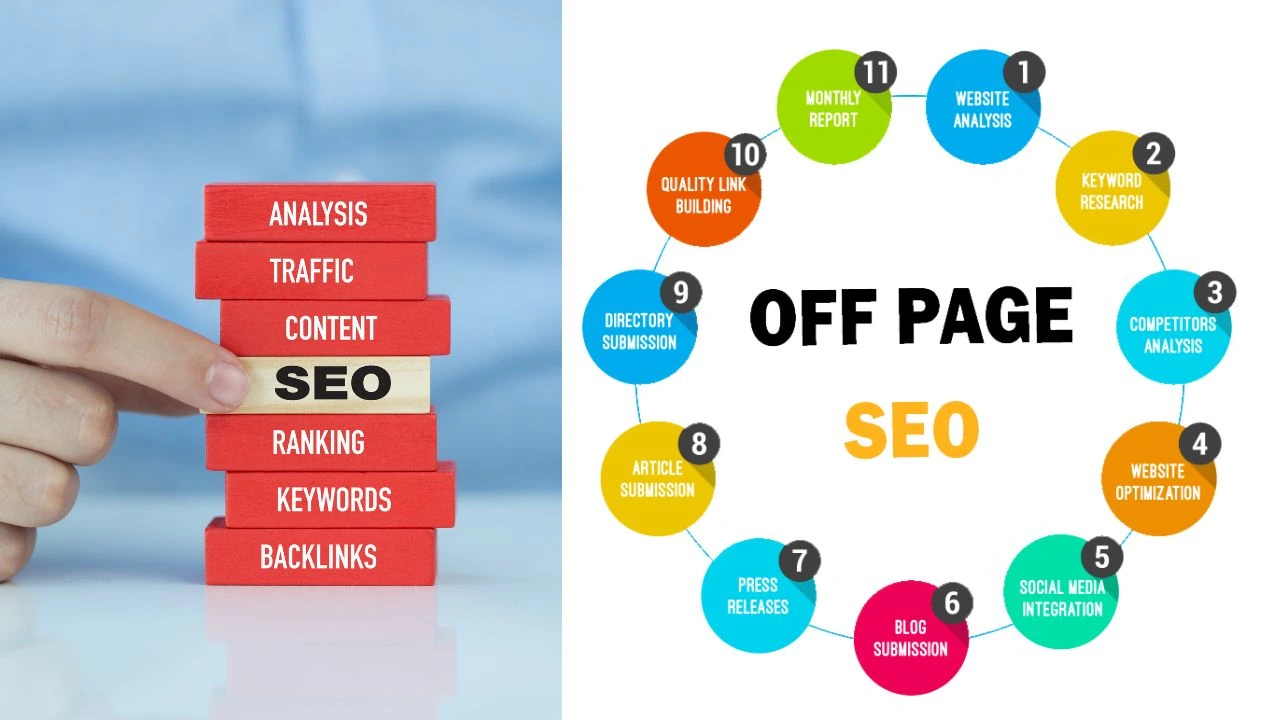
- Build local backlinks through community partnerships, events, and collaborations.
These strategies work together to strengthen Local SEO authority and allow smaller businesses to compete with larger brands in local markets.
Optimizing Your Website for Local Searches
Effective Local SEO requires optimizing your website for both users and search engines. Key actions include:
- Integrate location-based keywords naturally within your content.
- Optimize title tags and meta descriptions with Local SEO keywords.
- Helps a mobile-friendly, fast-loading website, as Google prioritizes mobile-first indexing.
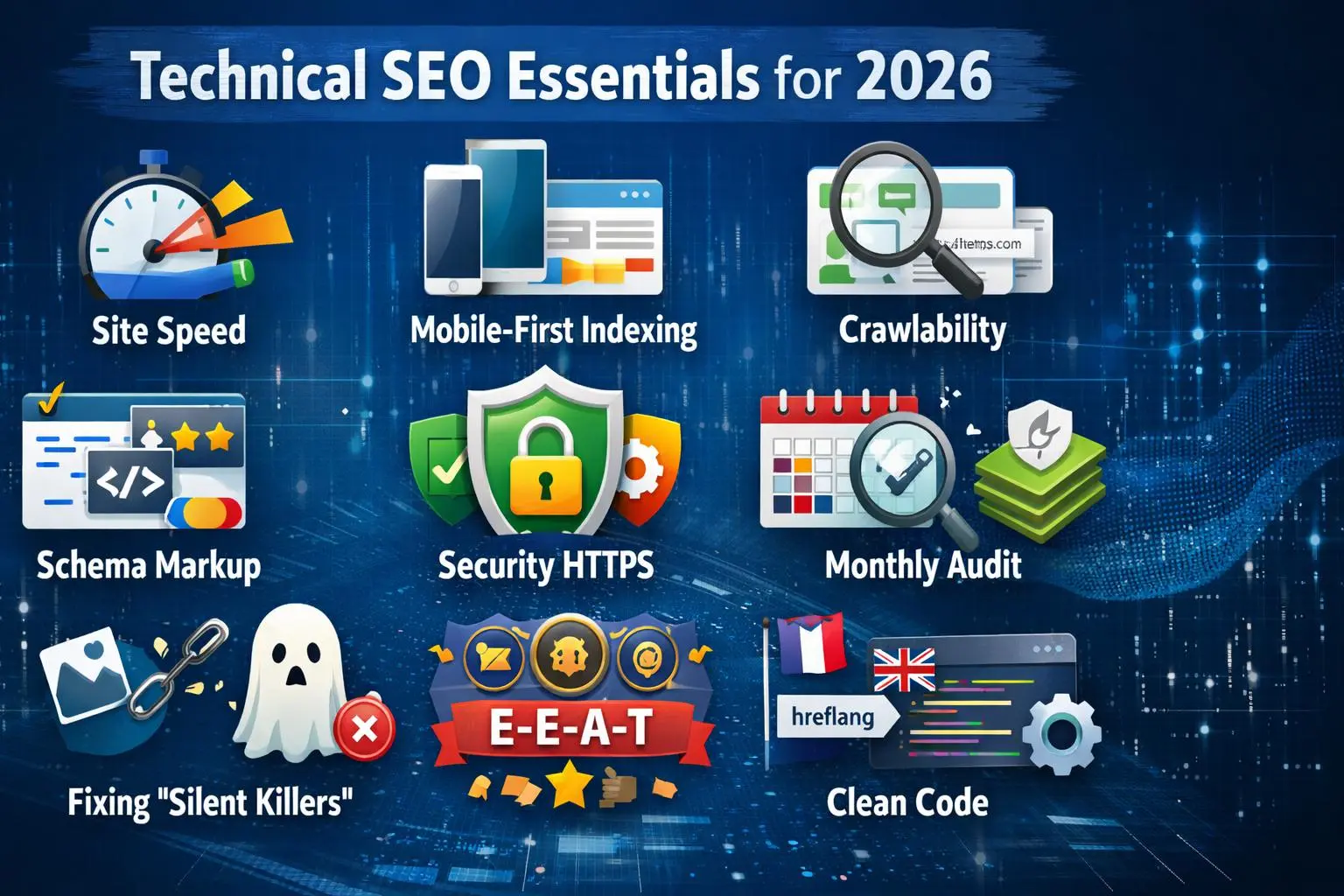
- Add schema markup to communicate your business details to search engines clearly.
- Audit your Local SEO performance regularly to stay ahead of competitors.
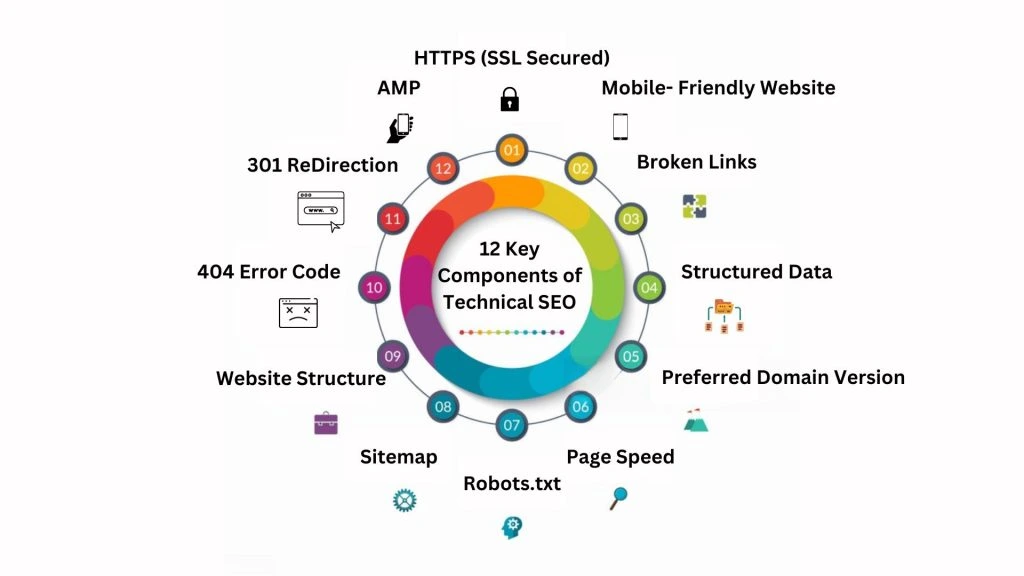
Implementing these steps improves both search engine rankings and user engagement. Consequently, your business becomes more visible in local searches.
Local SEO and Social Media
Social media and Local SEO complement each other. Active engagement on platforms like Facebook, Instagram, and Twitter helps businesses connect with local audiences.
- Social media increases brand visibility within the community.
- Drives traffic to your Google My Business profile.
- Encourages reviews, interactions, and customer loyalty.
Studies suggest businesses that integrate social media with Local SEO enjoy higher engagement and stronger local rankings. Therefore, social signals indirectly strengthen Local SEO performance.
Tools and Resources for Local SEO
Using the right Local SEO tools makes optimization easier and more effective. Some essential tools include:
- Moz Local, BrightLocal, SEMrush: For managing citations and rankings.
- Google Keyword Planner: To discover valuable local keywords.
- Google Search Console & Google Analytics: For tracking indexing, traffic, and user behavior.
By leveraging these resources, businesses can refine Local SEO strategies based on real data and continuously improve visibility.
Leveraging Reviews for Local SEO
Online reviews are one of the strongest ranking factors in Local SEO.
- Positive reviews improve credibility and customer trust.
- Responding to both positive and negative feedback signals engagement to search engines.
- Consistent review management strengthens Local SEO authority.
Encouraging reviews and maintaining active feedback helps businesses outperform competitors in local search rankings.
Local SEO and Link Building
High-quality local backlinks are essential for Local SEO authority.
- List your business in local directories.
- Partner with community organizations and events.
- Collaborate with local bloggers or media outlets.
- Create valuable content to encourage natural backlinks.
These practices improve Local SEO rankings, referral traffic, and overall online visibility.
Measuring Local SEO Success
Tracking performance is critical to evaluate whether Local SEO strategies are effective. Key metrics include:
- Local keyword rankings
- Organic traffic from nearby users
- Click-through rates (CTR) from search results
- Conversion rates from local visitors
Regularly reviewing these metrics allows businesses to adjust strategies and maintain strong Local SEO performance.
Challenges in Local SEO
While effective, Local SEO has challenges:
- High competition in local markets
- Frequent search engine algorithm updates
- Maintaining accurate citations consistently
- Managing online reviews promptly
By using the right tools and remaining proactive, businesses can overcome these challenges and sustain strong local visibility.
Conclusion
Local SEO is a critical strategy for businesses aiming to improve online visibility and attract nearby customers. By understanding the fundamentals of Local SEO and implementing proven strategies such as optimizing Google My Business, managing citations, leveraging reviews, building local backlinks, and enhancing website optimization businesses can gain a competitive edge. As the digital landscape evolves, continuously adapting Local SEO strategies helps long-term growth. By prioritizing Local SEO, companies can strengthen community connections, attract loyal customers, and achieve sustainable success in their local market.