
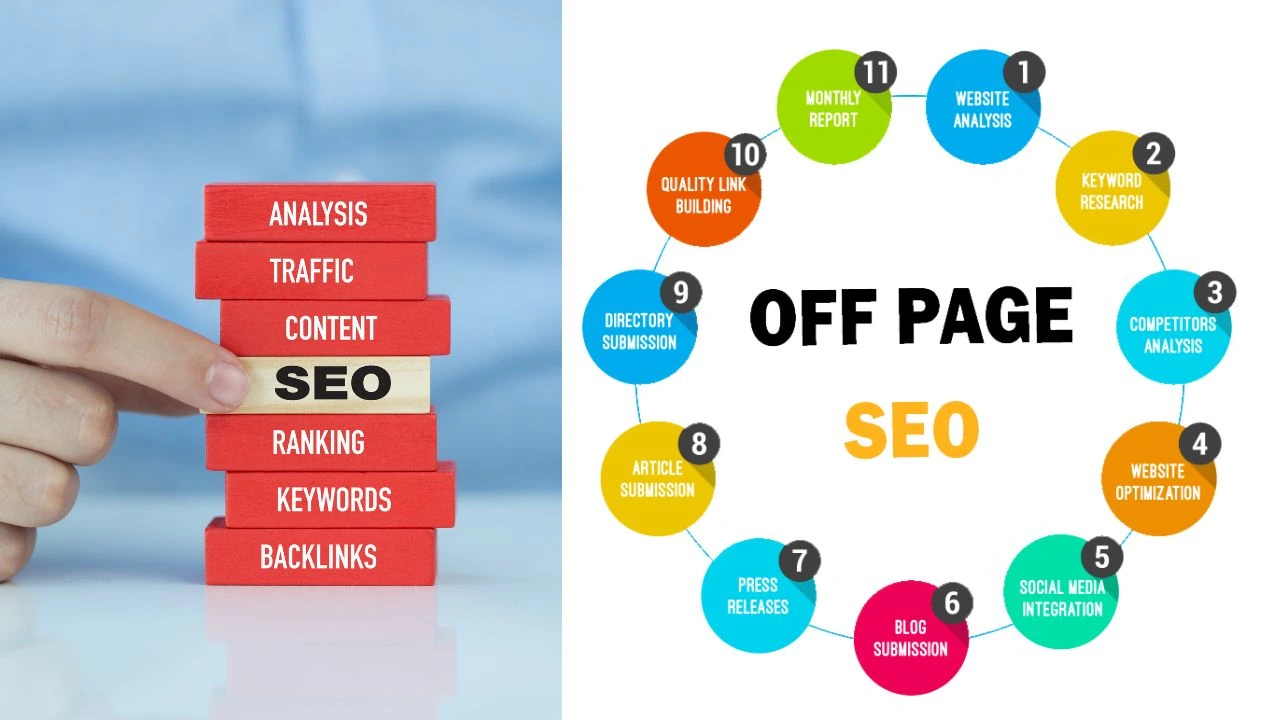
Off-Page SEO plays a vital role in improving a website’s authority, credibility, and overall search engine visibility. While on-page SEO focuses on optimizing elements within your website, off-page SEO emphasizes external factors that signal trust, relevance, and popularity. As a result, search engines gain stronger confidence in your website’s value. In today’s competitive digital landscape, relying only on on-page SEO is not enough. Without a strong off-page SEO strategy, even well-written and informative content may struggle to achieve top rankings. Therefore, implementing off-page SEO correctly helps both users and search engines recognize your website as authoritative, reliable, and valuable. Moreover, when off-page SEO is combined with strong on-page practices, it creates a powerful foundation. Consequently, websites gain better rankings, stronger brand recognition, higher referral traffic, and sustainable long-term growth.
Understanding the Meaning of Off-Page SEO
Off-Page SEO refers to all optimization activities performed outside your website to improve search rankings and online credibility. Unlike on-page SEO, which you can control directly, off-page SEO relies on external signals. Because of this, it requires consistency, strategy, and patience.
Generally, off-page SEO includes:
- Backlink building from authoritative websites
- Social media engagement and sharing
- Brand mentions across digital platforms
- Influencer outreach and collaborations
- Content promotion strategies
- Online reputation management
In simple terms, off-page SEO tells search engines that others trust your website, which increases your chances of ranking higher.
Why Off-Page SEO Is Important for Rankings
Search engines aim to deliver relevant, trustworthy, and high-quality results. Therefore, they rely heavily on off-page signals to evaluate:
- Website authority
- Niche relevance
- Online popularity
- User trust
As a result, websites with strong off-page SEO signals tend to rank higher and maintain stable traffic. Additionally, positive engagement and mentions further strengthen credibility and visibility over time.
Key Benefits of Off-Page SEO
When implemented properly, off-page SEO offers several advantages:
- Improves domain authority and trust
- Drives referral and social traffic
- Improve brand credibility
- Supports higher organic rankings
- Strengthens overall SEO performance
Most importantly, off-page SEO helps build long-term value, not just short-term traffic boosts.
Link Building: The Foundation of Off-Page SEO
Backlinks are one of the most powerful components of Off-Page SEO. Essentially, backlinks act as votes of confidence from other websites. Therefore, the quality of backlinks matters far more than quantity.
Effective link-building strategies include:
- Guest posting on relevant authority websites
- Building relationships with industry influencers
- Creating valuable and shareable content
- Replacing broken links with relevant resources
- Participating in niche-specific forums and communities
Relevant keywords naturally included:
- Off-Page SEO
- Backlink building
- Domain authority
- Link outreach
- Guest posting
- Authority websites
- Niche authority
- SEO techniques
As a result, high-quality backlinks not only improve rankings but also bring targeted referral traffic.
Social Media Signals and Their Role in Off-Page SEO
Although social media links are often no-follow, they still support Off-Page SEO indirectly. In fact, social platforms help increase visibility, engagement, and content distribution.
Best practices include:
- Sharing content where your audience is active
- Encouraging comments, likes, and shares
- Collaborating with social media influencers
- Using bookmarking platforms for wider reach
Consequently, active social engagement signals relevance and popularity, which supports stronger off-page performance.
Brand Mentions and Online Reputation
Brand mentions across websites, blogs, and forums also contribute to Off-Page SEO. Even without backlinks, search engines recognize consistent mentions as a trust signal.
To manage brand mentions effectively:
- Monitor mentions using tools like Google Alerts
- Respond promptly to reviews and comments
- Encourage testimonials from satisfied users
- Maintain consistent brand identity across platforms
Over time, strong brand presence increases credibility and encourages natural backlink growth.
Influencer Outreach for Authority Growth
Influencer collaborations can significantly boost off-page SEO results. By working with trusted voices in your niche, your website gains exposure, credibility, and authoritative links.
Steps for successful influencer outreach:
- Identify influencers relevant to your industry
- Build genuine relationships before pitching
- Offer value through collaboration or content
- Measure performance and refine strategies
As a result, influencer outreach becomes a long-term asset rather than a one-time tactic.
Strategic Content Promotion
Publishing content alone is not enough. Content promotion ensures that your work reaches the right audience and gains traction. Therefore, promotion should always be part of your off-page SEO plan.
Effective promotion methods include:
- Sharing content in niche communities and groups
- Sending email newsletters to subscribers
- Syndicating articles on relevant platforms
- Engaging on Q&A sites like Quora or Reddit
Relevant keywords for content promotion:
- Content promotion
- User engagement SEO
- Referral traffic
- Brand recognition
- Off-Page SEO strategies
Consequently, proper content promotion increases visibility, engagement, and referral traffic.
Common Off-Page SEO Mistakes to Avoid
Despite best intentions, many websites make avoidable mistakes. For example:
- Building low-quality or spammy backlinks
- Ignoring social signals and brand mentions
- Focusing on quantity instead of quality
- Skipping influencer outreach
- Neglecting content promotion
Therefore, avoiding these mistakes ensures steady growth and long-term SEO success.
Measuring Off-Page SEO Performance
Tracking performance is essential for improvement. Otherwise, it becomes difficult to understand what works.
Key metrics to monitor include:
- Backlink quality and quantity
- Domain authority and trust flow
- Referral traffic sources
- Engagement metrics
- Keyword ranking improvements
By analyzing these metrics regularly, you can adjust strategies and maintain consistent growth.
Conclusion
Off-Page SEO is essential for building a website’s authority, credibility, and long-term search visibility. By focusing on link building, social engagement, influencer outreach, content promotion, and brand mentions, your website sends strong trust signals to search engines. Moreover, when off-page SEO is combined with effective on-page optimization, it helps achieve higher rankings, attract quality traffic, and establish lasting authority. With consistent implementation, monitoring, and adaptation, off-page SEO ensures sustainable growth and long-term online success.