
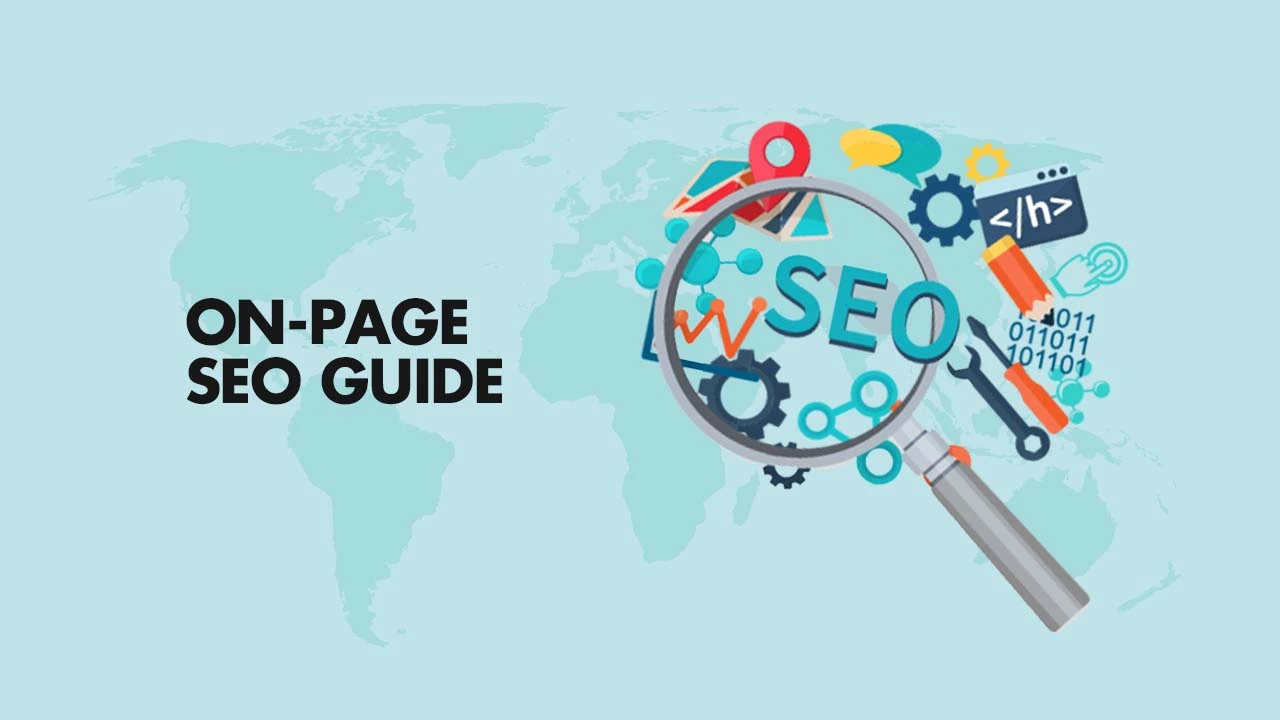
On-page SEO is the foundation of every website that wants to achieve consistent rankings in search engines. Without proper on-page SEO, even high-quality content can fail to appear on the first page. Correct on-page SEO ensures your pages are crawlable, indexable, and understandable for both users and search engines. When done right, it combines technical optimization with human-friendly content, improving rankings, engagement, and credibility.
What On-Page SEO Really Means
On-page SEO is about optimizing every aspect of a web page to help search engines and users understand the content. It goes beyond keywords to include content quality, heading structure, internal linking, URLs, images, page speed, mobile responsiveness, and structured data.
Benefits:
- Improves search engine comprehension of page content
- Improves user readability and engagement
- Ensures smooth crawlability and indexing
- Reduces bounce rate
How On-Page SEO Impacts Search Rankings
Search engines aim to deliver the most relevant content to users. Proper on-page SEO signals content relevance, quality, and user satisfaction. Websites with clear structure, optimized headings, and content optimized for on-page SEO consistently rank higher.
Advantages:
- Increased organic visibility and stable rankings
- Better engagement metrics like dwell time and CTR
- Strong foundation for off-page SEO strategies
- Improved credibility and authority
Strategic Keyword Planning for On-Page SEO
Keyword research drives on-page SEO. Your main focus keyword on-page SEO should appear naturally in headings, meta tags, URLs, and body content. Supporting keywords like title tag optimization, meta description optimization, content optimization, internal linking, headings SEO, image optimization, page speed optimization, mobile optimization, schema markup, user experience SEO, and SEO techniques should also be integrated seamlessly.
Relevant Keywords:
- Title tag optimization
- Meta description optimization
- Content optimization
- Internal linking
- URL structure SEO
- Headings SEO
- Image optimization
- Page speed optimization
- Mobile optimization
- Schema markup
- User experience SEO
- SEO techniques
- On page SEO checklist
- Website authority
- Keyword placement strategy
- Content readability
- SEO Audit
- Structured data
- Semantic keywords
- Long-tail SEO optimization
- Website hierarchy
- SEO-friendly URLs
- Internal anchor text
- Meta tag strategy
- Responsive design
Crafting Content That Readers and Search Engines Love
High-quality content is central to on-page SEO. It should be clear, concise, and helpful while maintaining a natural flow.
Best Practices:
- Naturally include the focus keyword in headings and body text
- Place supporting keywords contextually
- Keep paragraphs short and scannable
- Write for humans first, search engines second
- Update content regularly for relevance
Writing Compelling Titles and Meta Descriptions
Titles and meta descriptions influence click-through rates and search visibility.
Guidelines:
- Include on-page SEO naturally in titles
- Keep titles under 60 characters
- Summarize content in meta descriptions effectively
- Avoid duplicate titles and descriptions
Building a Logical URL Structure and Linking Internally
Clean, descriptive URLs help users and search engines understand page topics. Internal links improve navigation and distribute page authority.
Best Practices:
- Use short, readable URLs
- Include focus keyword where relevant
- Avoid unnecessary numbers or parameters
- Link to related pages with contextual anchor text
Example URL: example.com/on-page-seo-guide
Organizing Headings for Easy Navigation
A clear heading hierarchy increase readability and helps search engines index pages effectively.
Tips:
- Use one H1 for the main topic
- H2 for primary sections, H3 for subsections
- Include on-page SEO naturally
- Maintain logical content flow
Optimizing Images and Improving Page Speed
Images helps grow up engagement but can slow down a page if unoptimized. Page speed is a confirmed ranking factor.
Steps:
- Compress images without quality loss
- Use descriptive filenames
- Include alt text with focus keyword
- Reduce unused scripts and plugins
Improving Mobile Experience and Usability
With mobile-first indexing, Google evaluates mobile pages primarily. Poor mobile usability can hurt rankings.
Best Practices:
- Ensure responsive design
- Keep content consistent across devices
- Optimize touch navigation
- Improve mobile page load speed
Using Structured Data and Schema Markup
Schema markup helps search engines understand page content better, improving SERP appearance and click-through rates.
Benefits:
- Better search visibility
- Eligibility for rich snippets
- Clearer content interpretation
Common On-Page SEO Mistakes to Avoid
Even small mistakes can reduce ranking potential.
- Keyword stuffing or unnatural placement
- Thin content
- Missing or duplicate meta descriptions
- Broken internal links
- Slow page speed or poor mobile experience
Sustaining Long-Term SEO Performance
On-page SEO is not a one-time task. Regular audits, updates, and performance checks maintain strong rankings.
Advantages:
- Solid base for off-page SEO
- Sustainable long-term visibility
- Increased organic traffic and engagement
- Clear, accessible content for users and search engines
Conclusion: Why On-Page SEO Matters
On-page SEO connects technical optimization with human-focused content. From keyword research to page speed, structured data, and mobile usability, every component affects ranking. Implementing best practices consistently ensures higher search rankings, better engagement, and sustainable organic growth.