
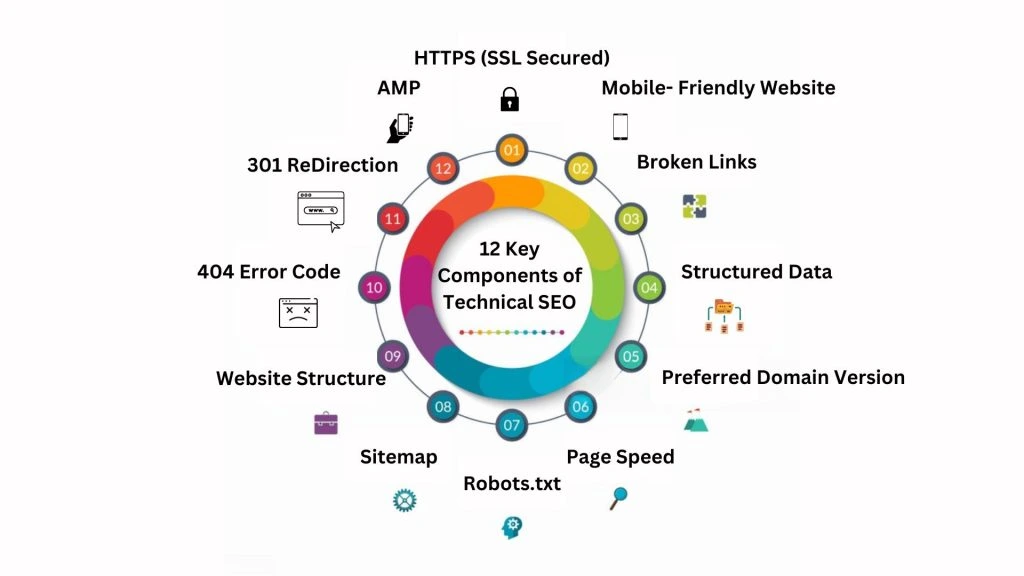
Technical SEO forms the backbone of every successful website. While high-quality content and effective keywords attract users, technical SEO ensures that search engines can crawl, index, and understand your website efficiently, providing a strong foundation for higher rankings. Therefore, without proper technical optimization, even the best content may fail to perform in search results. Implementing effective technical SEO not only improves website speed optimization and user experience but also improves mobile SEO compatibility and strengthens HTTPS security, which are critical for long-term digital growth.
Understanding Technical SEO
Technical SEO focuses on optimizing the core structure and backend elements of a website to make it search-engine-friendly. Unlike on-page SEO, which concentrates on content and keywords, technical SEO ensures your site’s architecture, performance, and accessibility meet search engine standards.
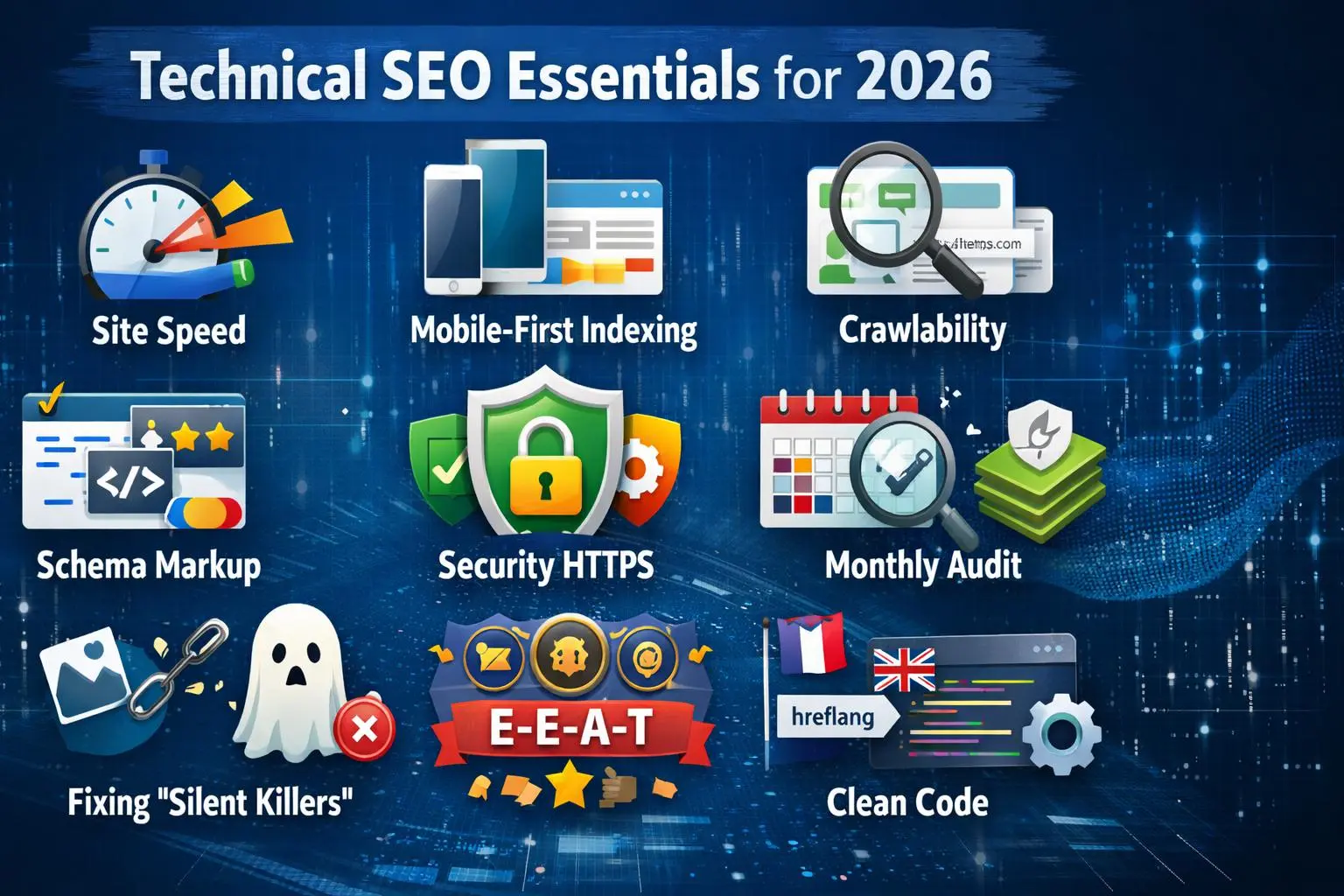
Core components of technical SEO include:
- Site speed optimization and Core Web Vitals to reduce bounce rates
- Mobile responsiveness and usability for seamless mobile SEO
- HTTPS security implementation for safe browsing
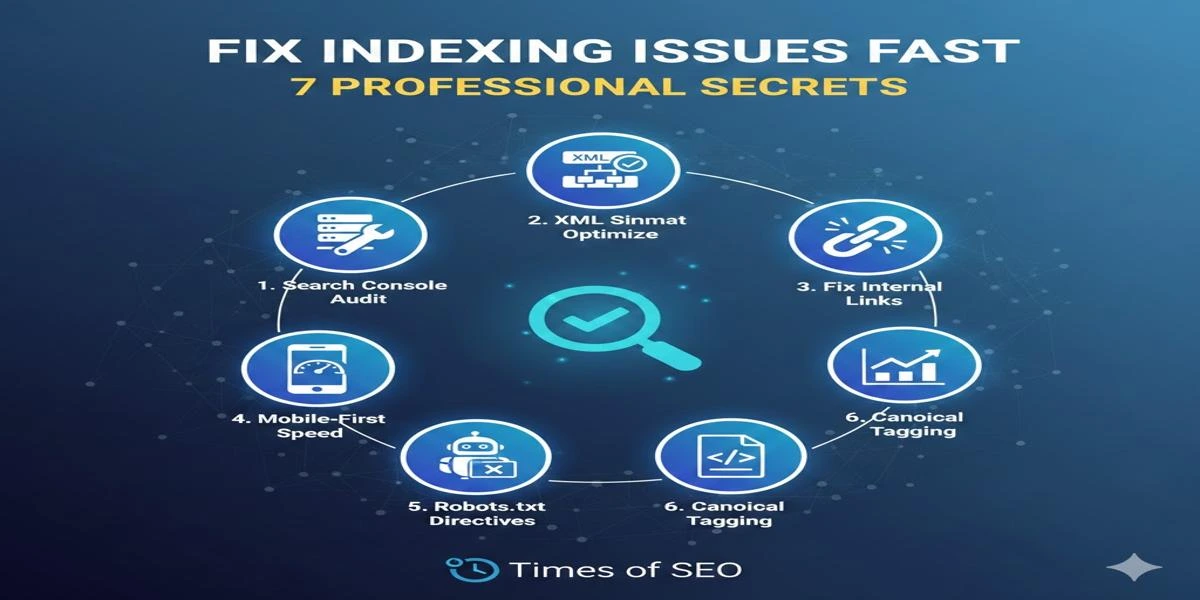
- XML sitemaps and robots.txt configuration to guide indexing
- Structured data (schema markup) for improved rich snippets
- URL hierarchy and canonical URLs to avoid duplicate content
- Monitoring crawl errors, redirects, and crawl budget management
By focusing on these areas, technical SEO ensures that both search engines and users can navigate your website effortlessly.
Why Technical SEO is Crucial
Search engines prioritize websites that are fast, secure, and easy to navigate. Consequently, implementing technical SEO helps your website:
- Load quickly and retain visitors through page speed optimization.
- Prevent indexing issues and resolve crawl errors.
- Achieve higher search rankings.
- Deliver a seamless user experience.
Even high-quality content can underperform if your site suffers from slow loading, broken links, or crawl errors. Therefore, technical SEO addresses these problems, allowing your content to shine in search results.
Key Benefits of Technical SEO
A robust technical SEO strategy delivers multiple advantages. Moreover, it improve both user engagement and search performance:
- Improved Page Speed: Optimized websites load faster, improving page speed and reducing bounce rates.
- Mobile Optimization: Ensures consistent mobile SEO performance across devices.
- Better Indexing: XML sitemaps and proper robots.txt configuration prevent indexing issues.
- Structured Data Implementation: Schema markup produces rich snippets, improving CTR.
- Improved Security: HTTPS and secure protocols build trust and reinforce hosting SEO.
- Optimized URLs: Clean canonical URLs improve both usability and search relevance.
- Reduced Errors: Proper monitoring prevents crawl errors and optimizes your crawl budget.
These benefits collectively create a strong foundation supporting all other SEO efforts.
Optimizing Site Speed and Core Web Vitals
Website speed is a crucial ranking factor. In addition, slow pages frustrate users and decrease engagement.
Speed optimization tips for technical SEO:
- Compress images without losing quality (website speed optimization)
- Minify HTML, CSS, and JavaScript
- Enable browser caching and server-side caching (server optimization)
- Use a Content Delivery Network (CDN)
- Limit heavy plugins and scripts.
A fast website signals quality to search engines and retains visitors longer.
Ensuring Mobile Responsiveness
With Google’s mobile-first indexing, mobile optimization is essential. Similarly, users expect a smooth experience across devices.
Mobile SEO tips:
- Implement a responsive design for all devices.
- Ensure text is readable and buttons are clickable.
- Optimize navigation for touch interaction.
- Reduce mobile page load times.
A mobile-friendly site improves rankings, engagement, and user satisfaction.
Implementing HTTPS Security
Secure websites protect user data and improve search engine trust. As a result, HTTPS is a must for every website.
Technical SEO steps for HTTPS:
- Install an SSL certificate.
- Redirect all HTTP URLs to HTTPS
- Fix mixed content warnings.
- Regularly update CMS, plugins, and themes.
Secure websites improve credibility and support long-term technical SEO performance.
XML Sitemaps and Robots.txt for Better Indexing
XML sitemaps and robots.txt files guide search engines to relevant pages and prevent indexing of duplicate or irrelevant content.
Best practices:
- Keep sitemaps updated and submit to Google Search Console.
- Exclude admin, login, and duplicate pages in robots.txt
- Include canonical URLs only.
- Monitor crawl errors regularly.
This ensures efficient indexing and reduces duplicate content issues.
Structured Data and Schema Markup
Structured data allows search engines to understand content contextually, enabling rich results in SERPs. Moreover, it can significantly improve click-through rates.
Implementation tips:
- Apply schema for articles, products, events, and FAQs.
- Test structured data using the Google Rich Results Tool.
- Maintain consistency across pages.
Schema markup improves visibility and encourages higher engagement.
Crawl Errors, Redirects, and Crawl Budget
Crawl errors can prevent search engines from indexing your pages correctly. Therefore, monitoring and fixing issues are essential.
Common issues include:
- Broken links (404 errors)
- Server errors (500 errors)
- Redirect loops and chains.
- Incorrect canonical tags
Properly managing these issues preserves your crawl budget and improves SEO performance.
Optimized URL Structure and Canonicalization
Clear, descriptive URLs improve both user experience and search engine understanding.
Best practices:
- Keep URLs short and keyword-rich
- Use hyphens instead of underscores.
- Maintain a consistent hierarchy
- Apply canonical URLs to prevent duplicate content.
Optimized URLs improve navigation and improve search relevance.
Advanced Technical SEO Tips
In addition, advanced strategies maintain a strong technical foundation:
- Core Web Vitals: LCP, CLS, and FID metrics
- Internal linking: Helps search engines discover pages and distributes link authority
- AMP Pages: Accelerate mobile speed and improve experience
- Server and hosting optimization: Reduces downtime globally
- Technical audits: Identify issues and improve SEO health
- Backlink optimization: Supports overall site authority
- SEO tools: Monitor performance, errors, and improvements
Monitoring Technical SEO
Continuous monitoring allows early detection of issues that could affect rankings. Consequently, track the following metrics:
- Page speed and Core Web Vitals
- Mobile usability reports
- Crawl errors and indexing issues
- HTTPS compliance
- Structured data implementation
Ongoing monitoring ensures technical SEO remains effective and supports sustainable growth.
Conclusion
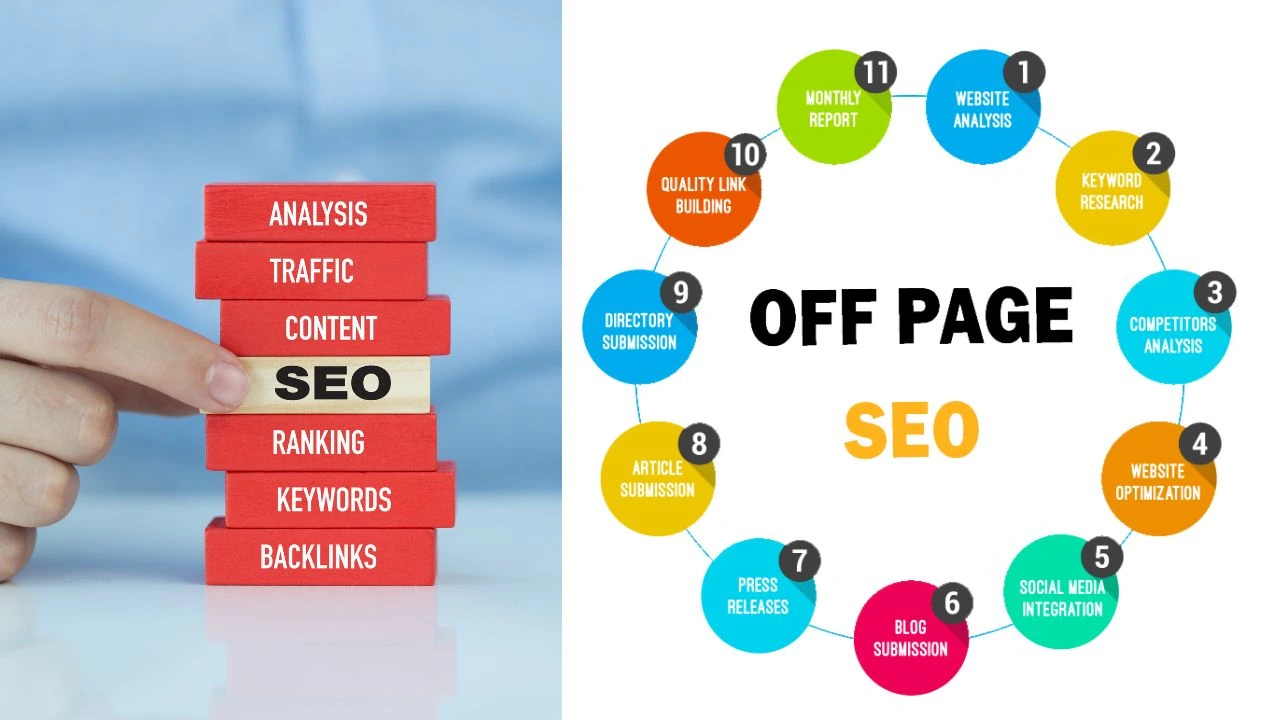
Technical SEO is the foundation of a high-performing, search-engine-friendly website. By focusing on site speed, mobile SEO, HTTPS security, structured data, URL structure, crawl errors, and Core Web Vitals, your website can achieve higher rankings, increased traffic, and long-lasting visibility. Combined with on-page and off-page SEO, technical optimization provides a complete SEO framework, allowing your website to attract quality visitors, improve credibility, and grow sustainably. Regular audits, updates, and adherence to best practices ensure long-term online success.